 Whether you go to the supermarket once a week or everyday, there are ways to make sure that your buying benefits the environment, your health, and your wallet. Here are some basic tips that I have picked up from various sources.
1. Avoid individually packaged snack packs. They damage the environment because of the unnecessary packaging, they are more expensive when you compare their unit price to that of a larger bag, and very often they are bad for your health (have you seen one of those ingredient lists?) Here are the ingredients for the 100-calorie Oreo Snack Cakes.
BLEACHED AND UNBLEACHED ENRICHED FLOUR (WHEAT FLOUR, NIACIN, REDUCED IRON, THIAMINE MONONITRATE {VITAMIN B1}, RIBOFLAVIN {VITAMIN B2}, FOLIC ACID), SUGAR, CANOLA AND/OR PALM AND/OR PALM KERNEL OILS, HIGH FRUCTOSE CORN SYRUP, FRUCTOSE, COCOA (PROCESSED WITH ALKALI), WATER, SKIM MILK, LEAVENING (BAKING SODA, SODIUM ACID PYROPHOSPHATE, CALCIUM PHOSPHATE AND/OR CALCIUM SULFATE), CHOCOLATE, MILK, EGG WHITES, SALT, CORN SYRUP, NATURAL AND ARTIFICIAL FLAVORS, EGGS, CORNSTARCH, MODIFIED CORNSTARCH, SOY LECITHIN (EMULSIFIER), COLOR ADDED, YELLOW CORN FLOUR, SODIUM ALGINATE (THICKENER). CONTAINS: WHEAT, MILK, EGG, SOY. MANUFACTURED ON EQUIPMENT THAT PROCESSES PEANUT, TREE NUTS.More about individually-packed products in this post.
2. Use the basics. A lot of everyday foods, such as beans, rice, oatmeal, and potatoes are extremely cheap yet can be made into great dishes. Think about stews, casseroles, side dishes, etc. These foods are better for the environment because they don't require as much manufacturing and processing, and they are very good for your health too.
3. Be picky about organic. Check out this Shopper's Guide to Pesticides to see which foods should be bought organic and which conventional. For example, apples and peaches usually have high levels of pesticides, but onions do not. Do what's best for you wallet and your health.
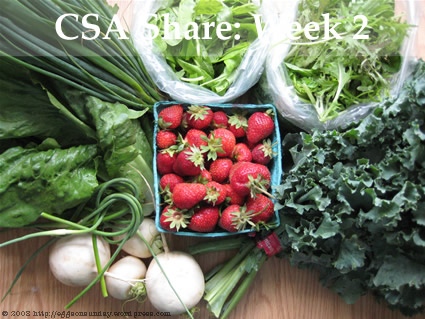
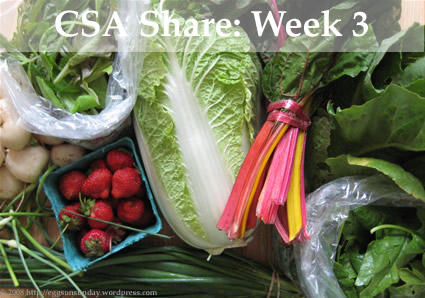
4. Buy seasonal and local produce. These taste the best and also are usually less expensive. Local produce additionally does not require as much fossil fuel for transportation. Each geographic region has differences in what is "in season," but I know right now where I live peaches and apples are really cheap and taste great.
5. Skimp on the meat. Conventional methods of raising livestock are harmful to the environment. Most people in general get more than enough protein, so cutting back on meat a few times a week should not be harmful, and even could be beneficial for your health, since your cholesterol and saturated fat intake would decrease. Check out my previous posts of Reasons for Eating Less Meat and Buy Organic Meat.
I hope some of this information was helpful to you and will guide you during your next grocery shop. Do you have any tips of your own about how to save money, eat healthy, and help the environment? Share them below in the comments section!
This image is from Spunky Mommy.




 Posts
Posts


